
FRANCE
France has a way of making beauty feel inevitable. The boulevards of Paris were designed to be walked slowly and at length. The vineyards of Burgundy exist at a different pace from the rest of the world. And between the grey magnificence of the north and the warmth of the Mediterranean coast, there is a country that rewards genuine attention — not just tourism. This guide is a carefully chosen collection of places that reflect the France worth knowing: specific, generous, and quietly extraordinary. Every place listed here is real, independently chosen, and selected with no agenda beyond helping you see this country at its best.
Experience

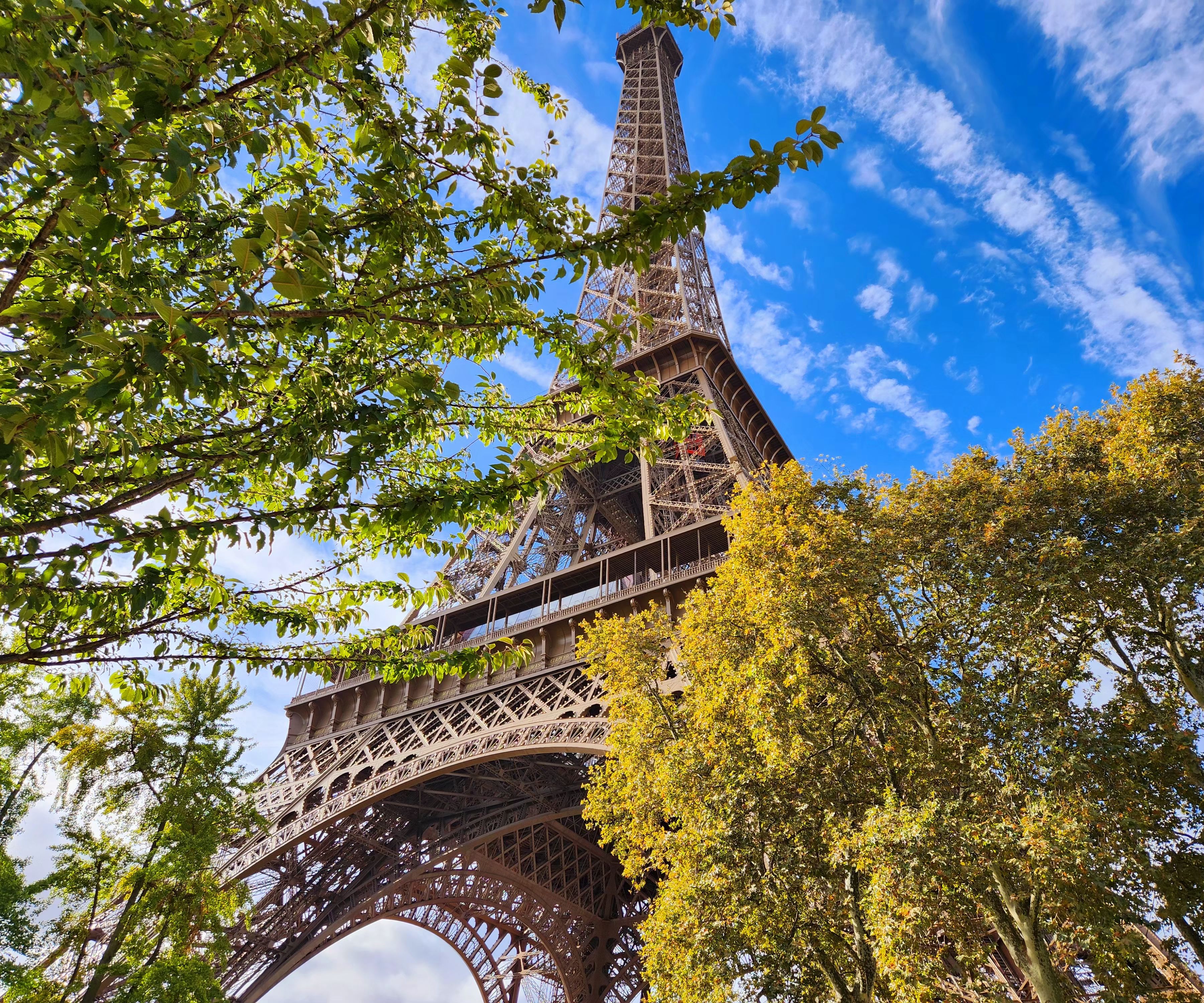
The Eiffel Tower
The structure that defined a skyline
Built for the 1889 World's Fair and nearly demolished in 1909, the Eiffel Tower now receives more paying visitors than any other monument on earth. The numbers are not the point. At dawn, when the Seine catches the early light and the Champ de Mars is still quiet, the view from the second floor across Paris is genuinely moving. Book the summit in advance and go up. At night, the tower sparkles for five minutes on the hour — a spectacle that feels both excessive and completely right. The Trocadéro gardens opposite offer the best photograph, at any hour.
Champ de Mars, 5 Avenue Anatole France, Paris 7e
The Louvre
The world's most visited museum — and its finest
The Louvre holds 35,000 works across 72,000 square metres — a figure that defeats most visitors into rushing past what they actually came for. Arrive early through I.M. Pei's glass pyramid and choose a single wing rather than attempting the whole collection. The Denon Wing alone — the Winged Victory, the Venus de Milo, the Grande Galerie — is a full day. The Richelieu Wing's French sculpture courts are quieter and extraordinary. Plan for at least half a day per visit. The Louvre at night, lit from within, seen from across the Seine, is one of the great sights in Europe.
Rue de Rivoli, Paris 1er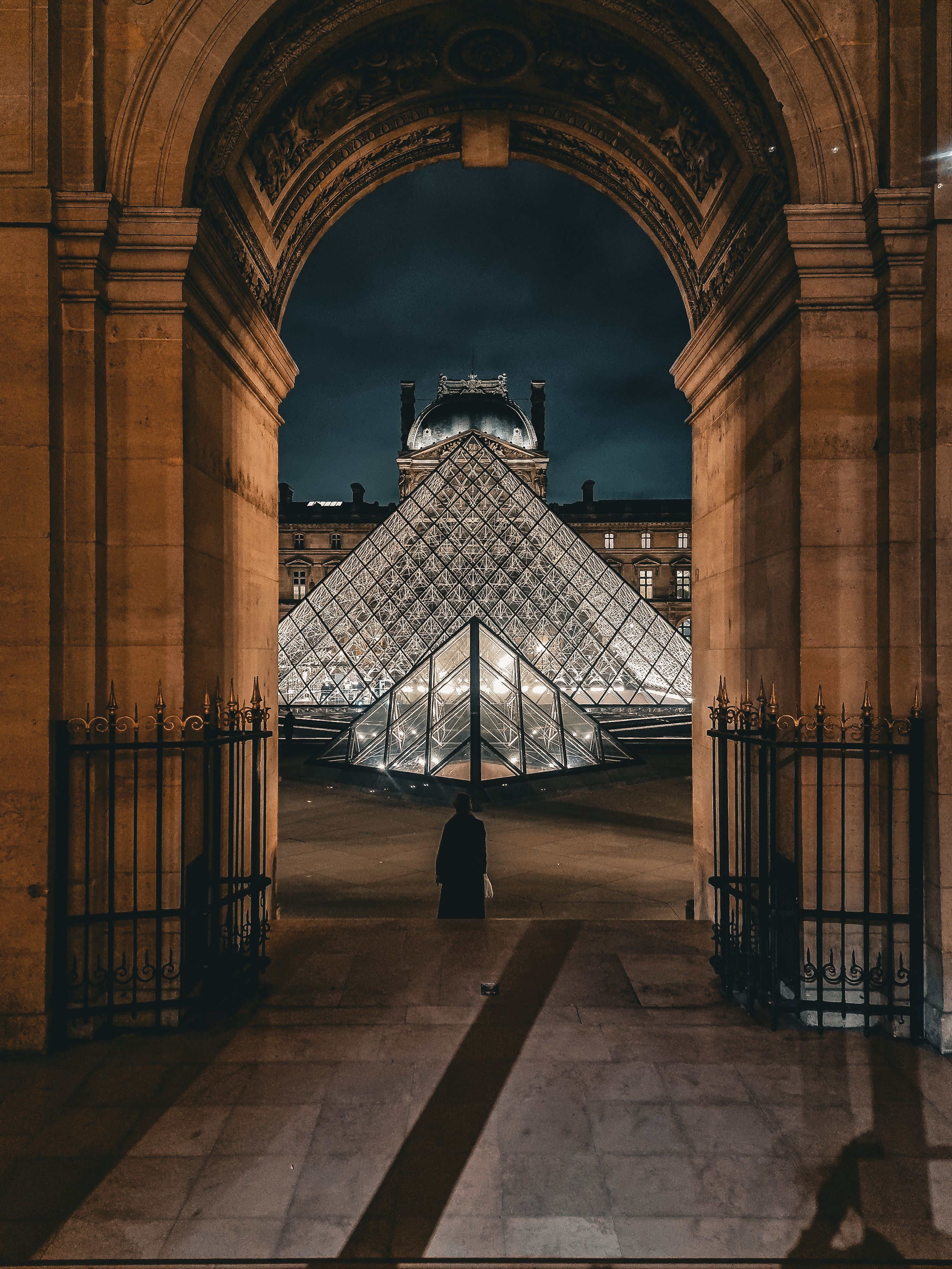
Palace of Versailles
The architecture of absolute power
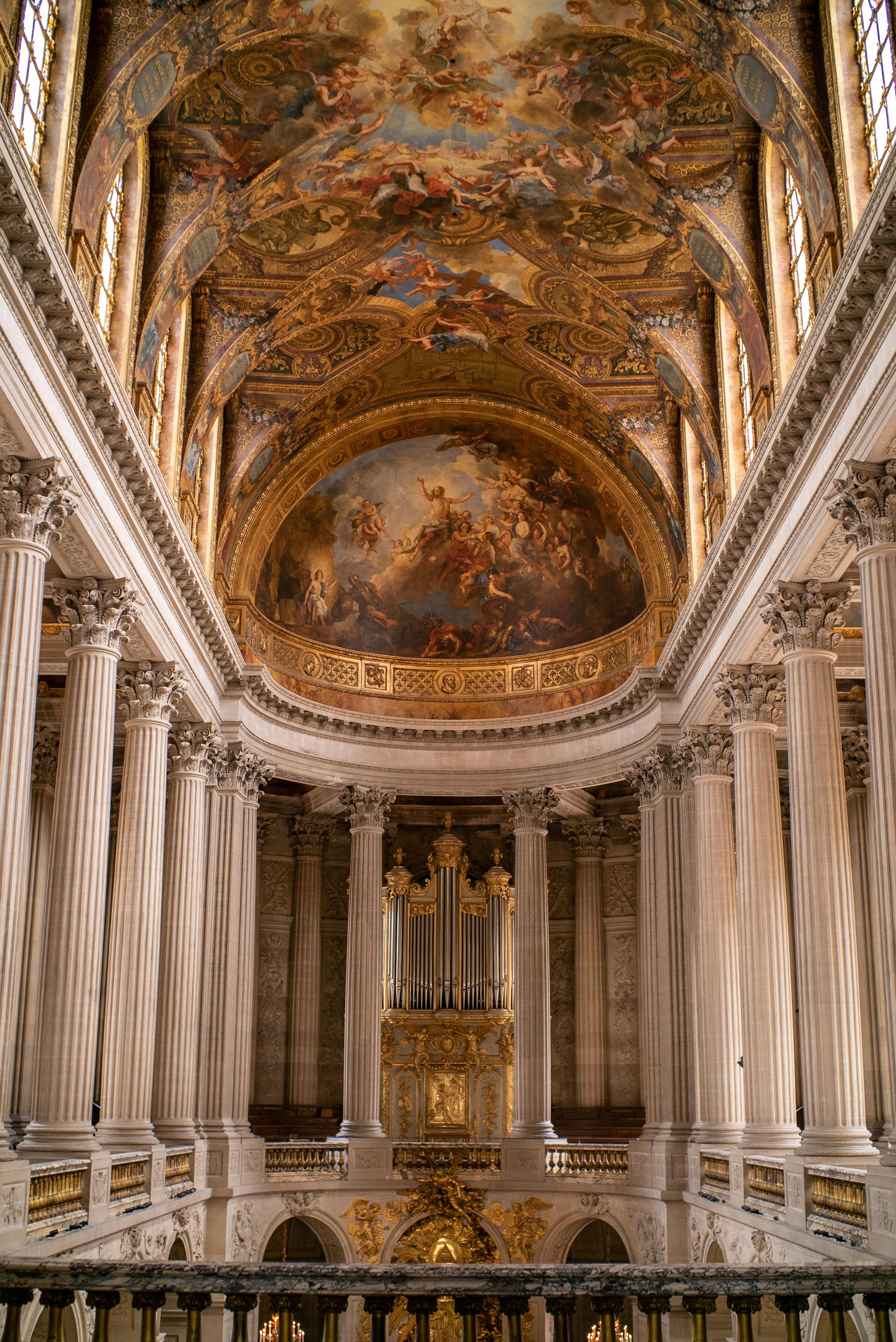
Louis XIV moved his court to Versailles in 1682 and transformed a hunting lodge into the largest palace in Europe — a monument to the conviction that a king could be the state. The Hall of Mirrors, 73 metres of gilded ceiling and Venetian glass, remains one of the most overwhelming interiors in the world. The gardens, laid out by André Le Nôtre across 800 hectares, are as much architecture as horticulture. Go on a weekday. Book the morning estate entry, include the Grand Trianon and Marie Antoinette's Estate, and bring lunch for the grounds.
Place d'Armes, VersaillesMont Saint-Michel
The island abbey at the edge of Normandy
Rising from a tidal flat at the mouth of the Couesnon River, Mont Saint-Michel is one of the most recognisable silhouettes in France — a walled medieval village topped by a Benedictine abbey, surrounded by sea at high tide and accessible by causeway at low. The Romanesque nave, the refectory, and the cloister gardens at the summit are worth the climb through the narrow tourist lanes below. Come in the early morning or late afternoon, after the day coaches have gone, when the cobblestones and the light and the sound of gulls are all that remain.
Mont Saint-Michel, Normandie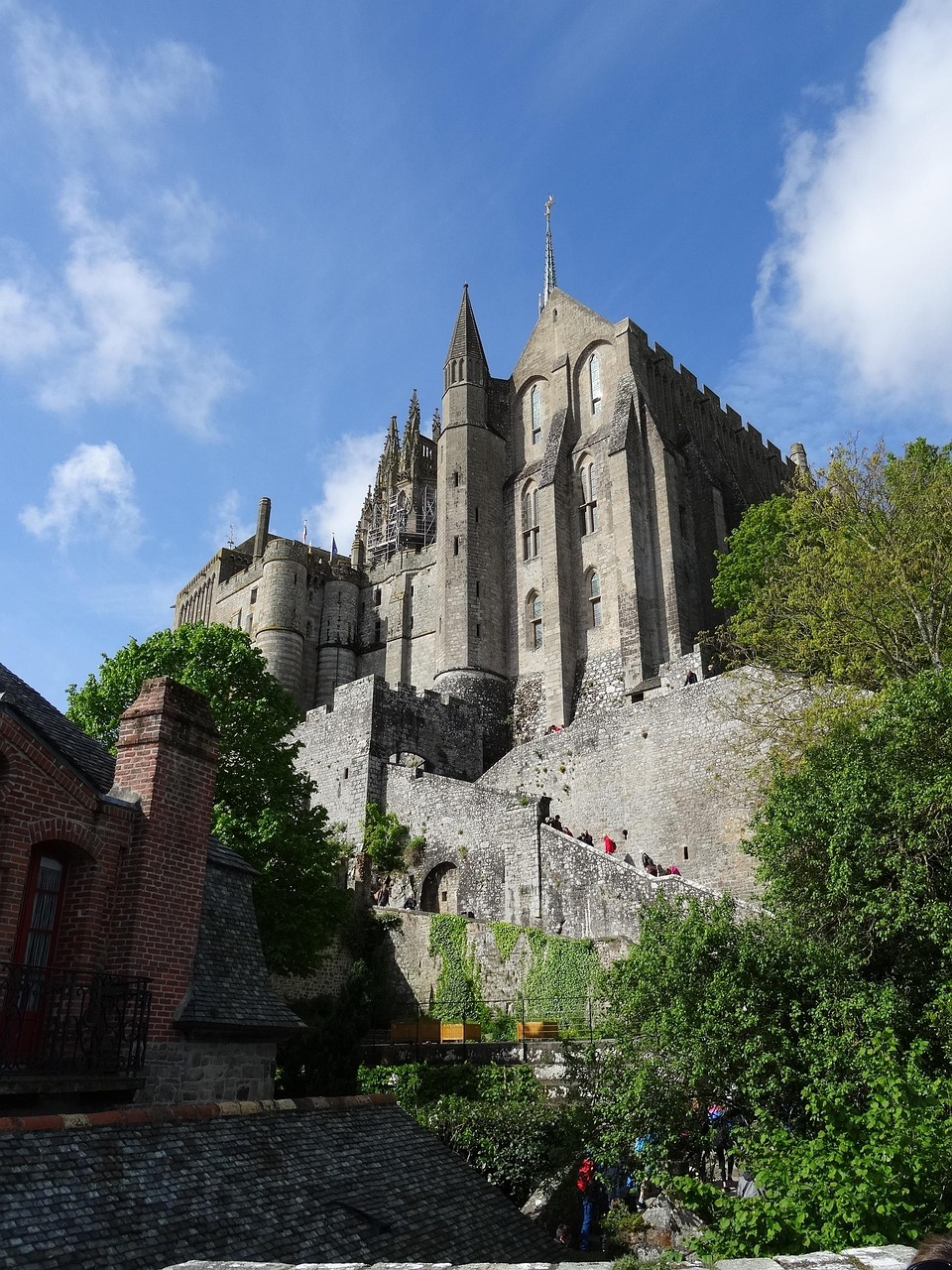
Escape
The Côte d'Azur
The most beautiful coastline in Europe
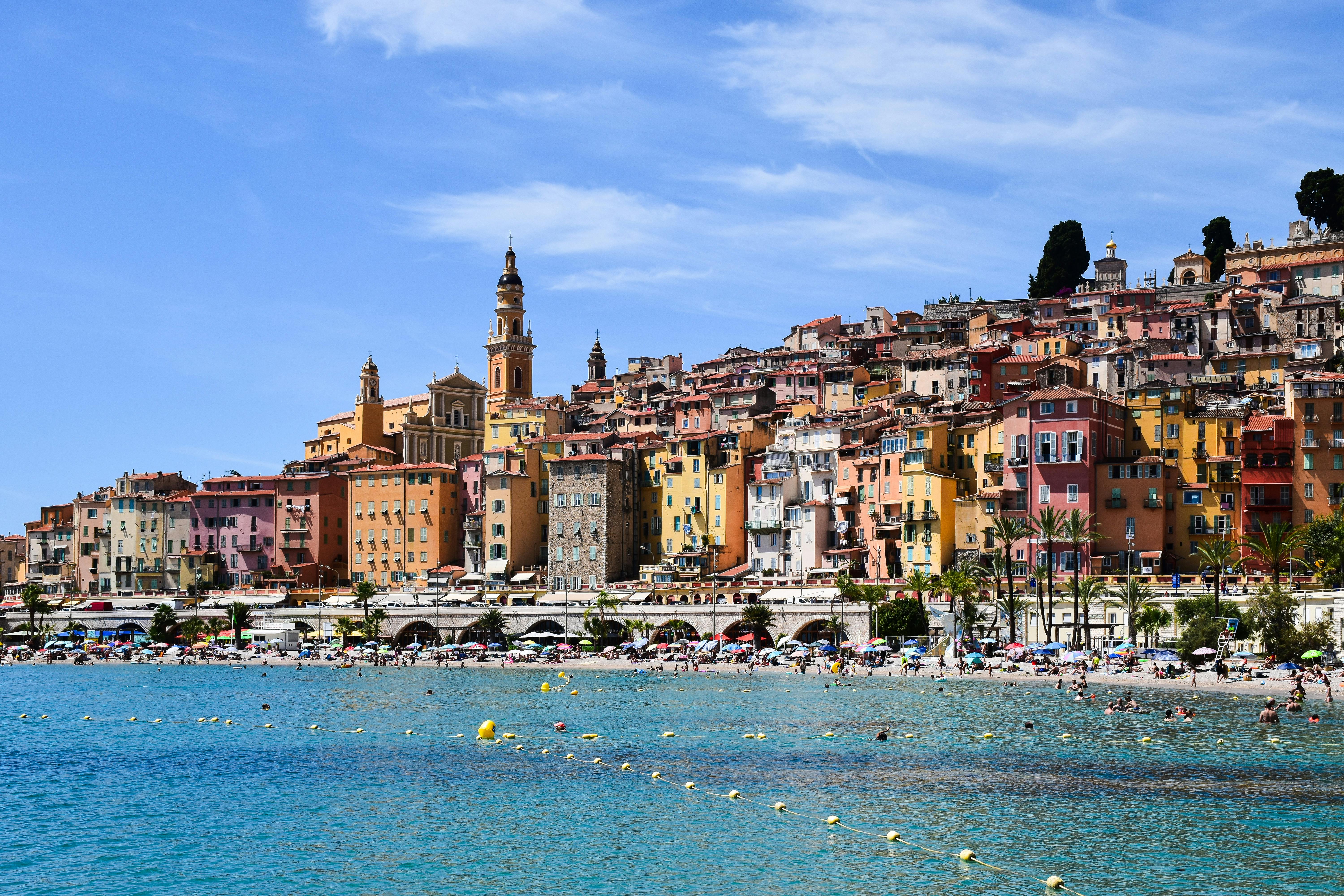
The French Riviera — from Menton at the Italian border to Saint-Tropez in the west — has been drawing painters, exiles, and the world's wealthy since the 19th century. The light is genuinely different here: sharper, more saturated, the blues of the sea so particular that Matisse and Picasso built careers on trying to capture them. Nice is the most liveable base, with its Baroque old town, seafront Promenade des Anglais, and direct train connections along the coast. Antibes, with its Picasso museum in a medieval château above the harbour, is quieter and worth an afternoon.
Alpes-Maritimes, Provence
Provence
The south that time built carefully
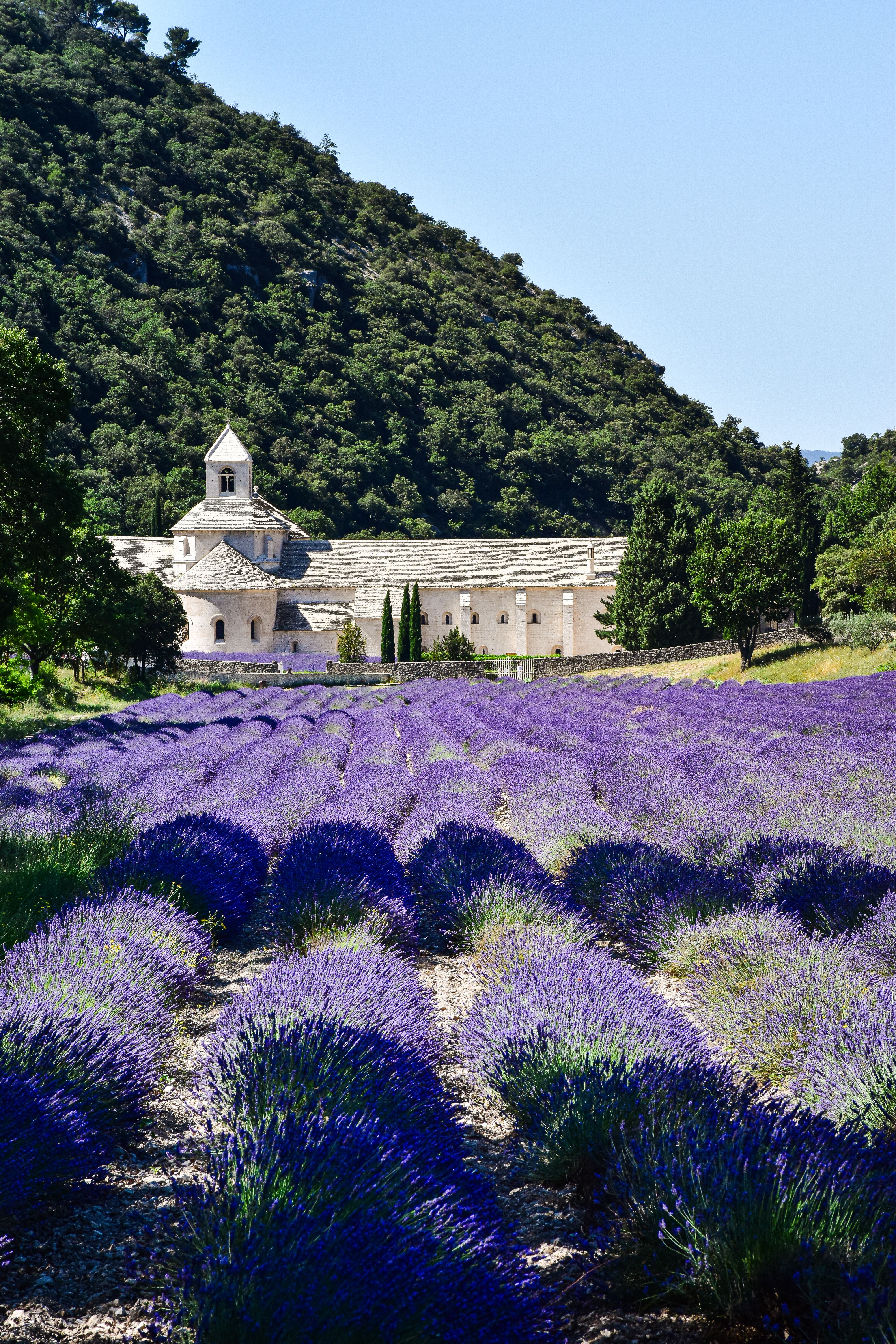
Provence is not one place — it is a series of landscapes arranged around the rhythm of the mistral wind, the scent of lavender, and the particular quality of light that Van Gogh came to Arles to paint. The lavender plateau of the Luberon blooms through June and July. The hill villages — Gordes, Les Baux-de-Provence, Roussillon with its ochre cliffs — are worth the slow drive between them. The Roman theatre at Orange and the Pont du Gard aqueduct are among the finest ancient monuments in northern Europe. Rent a car, drive without agenda, and stop for lunch whenever something looks right.
Provence-Alpes-Côte d'AzurChamonix & Mont Blanc
The summit of the Alps
At 4,808 metres, Mont Blanc is the highest peak in Western Europe — and Chamonix, in the valley below, is the town that has sent expeditions toward its summit since the 18th century. The Aiguille du Midi cable car reaches 3,842 metres in twenty minutes, delivering one of the most vertiginous views on the continent: a 360-degree panorama across France, Italy, and Switzerland. In winter, the skiing is some of the most demanding in the world. In summer, the Mer de Glace glacier and the high-altitude walking trails offer a different alpine experience — vast, cold above the clouds, and unlike anything else in France.
Chamonix, Haute-Savoie

Bordeaux & The Médoc
Wine, stone, and the wide Gironde
Bordeaux is the most elegant wine city in France — an 18th-century port built on the wealth of the trade, its UNESCO-listed neoclassical centre stretching along the Garonne in an unbroken arc of golden limestone. The city has reinvented itself in the last decade: La Cité du Vin, a museum devoted to wine culture from antiquity to the present, is worth visiting regardless of whether you drink. The Médoc peninsula north of the city — Margaux, Pauillac, Saint-Estèphe — lines its roadsides with châteaux whose names are known around the world. Most accept visits and tastings by appointment.
Bordeaux, Gironde, Nouvelle-Aquitaine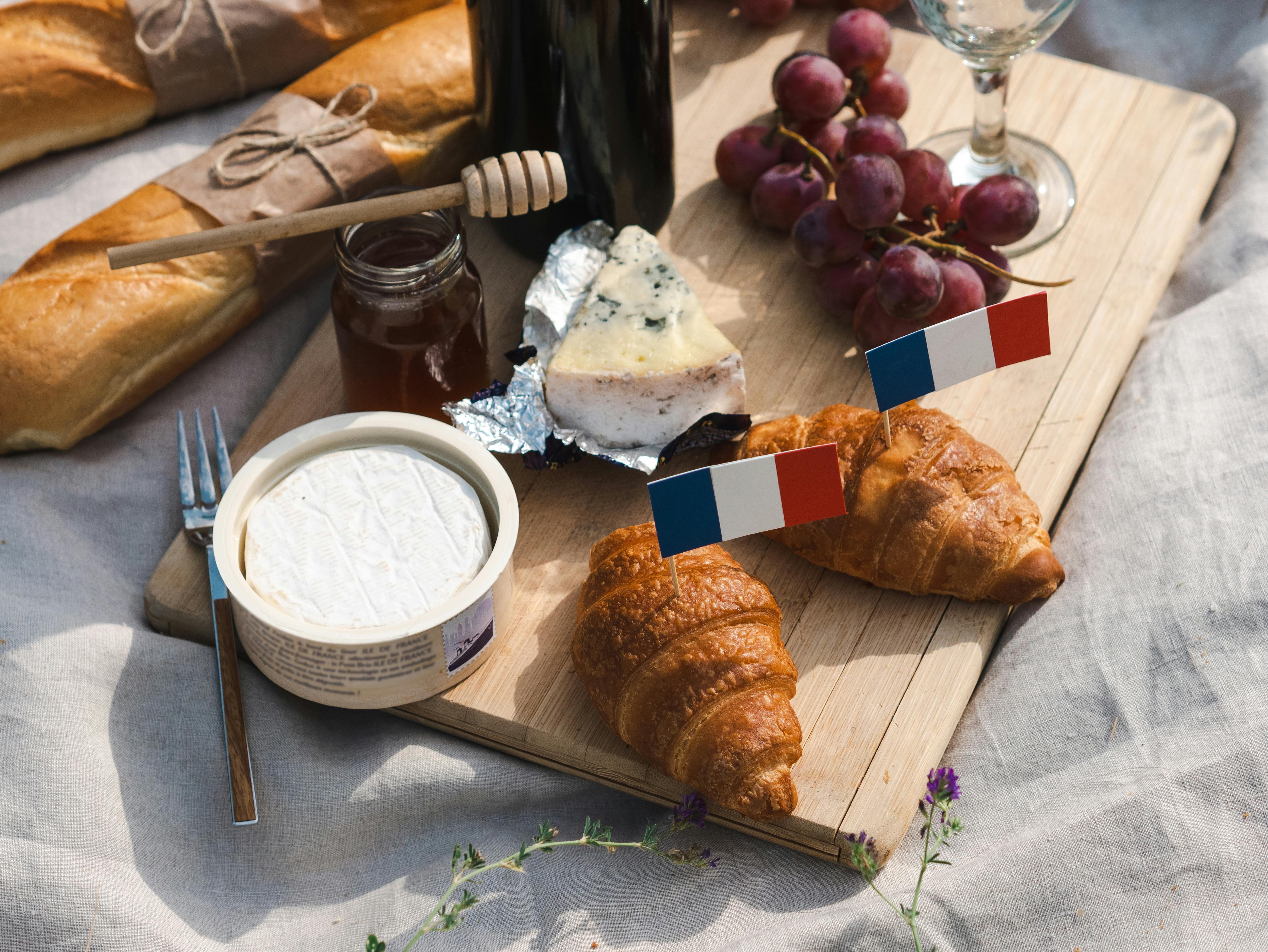
Eat & Drink
The Parisian Bistro
The meal Paris built its identity around
The bistro is not a type of food — it is a type of hour. A zinc bar, a chalkboard menu, steak frites or duck confit, a carafe of Côtes du Rhône. Chez Georges in the 2nd arrondissement has been doing this without revision since 1964. Allard in Saint-Germain since 1931. Order the house terrine, the plat du jour, and the cheese plate. Take two hours. Do not photograph the food. This is what Parisian cooking actually looks like when it is not performing for visitors — honest, unhurried, and better than it needs to be.
1 Rue du Mail, Paris 2e
The Boulangerie
The institution France runs on
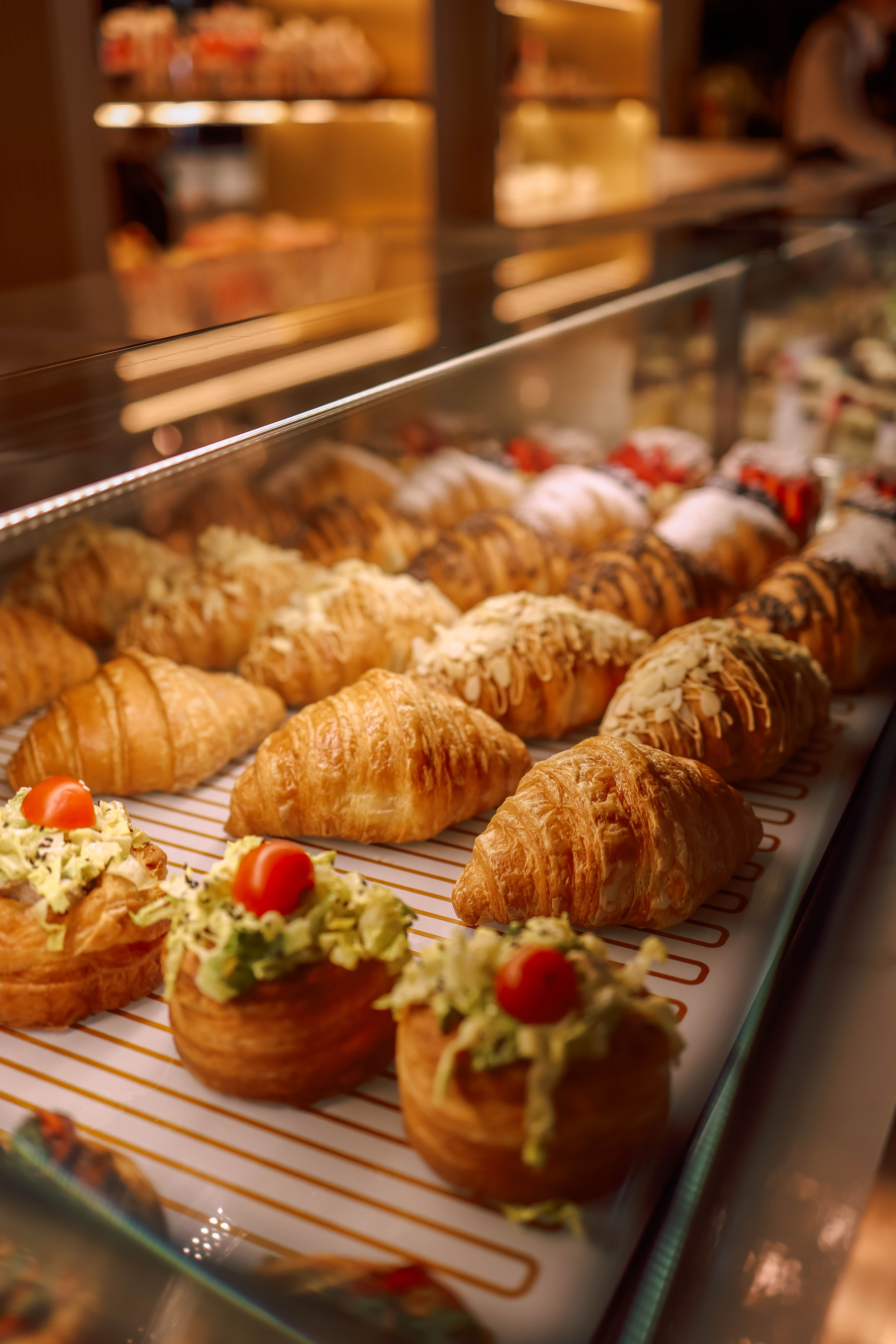
There is a boulangerie on every block in Paris for a reason. The croissant — properly made with French butter, baked fresh each morning — is one of the great achievements of European food: layered and shattery outside, soft within, with a flavour that properly laminated dough produces and nothing else replaces. Du Pain et des Idées in the 10th arrondissement is a pilgrimage. So is any neighbourhood boulangerie before 8am. A croissant and a café crème, eaten standing at the counter, is the correct French morning. Do not adapt to it. It will adapt to you.
34 Rue Yves Toudic, Paris 10eCafé de Flore
Open since 1887
Simone de Beauvoir wrote here. Sartre held court at this table. Picasso, Camus, and every significant French intellectual of the 20th century passed through the same door. Café de Flore has been on Boulevard Saint-Germain since 1887 and has not needed to change its formula since. Order a café and a croissant, or the onion soup in winter. Sit on the terrace. Watch Saint-Germain go past. It is expensive by café standards and worth every euro. The Deux Magots across the street is its equal — try both and form an opinion.
172 Boulevard Saint-Germain, Paris 6e

The Natural Wine Bar
Paris's quiet revolution, one glass at a time
Paris has quietly become one of the finest cities in the world for natural and low-intervention wine. The bars clustered around Oberkampf and Ménilmontant — Septime La Cave, La Buvette, Aux Deux Amis — serve wines from small producers across France and the Jura, alongside serious small plates: terrine, anchovy butter on good bread, aged comté. At the better ones there is no wine list — tell them what you feel like and they will find it. Come early. These places fill fast and do not take reservations. That is half the point.
67 Rue Saint-Maur, Paris 11e
Shop
Le Marais
The neighbourhood Paris kept for itself
The Marais is the most layered neighbourhood in Paris — medieval streets, Renaissance hôtels particuliers, a historic Jewish quarter along Rue des Rosiers, and the city's most concentrated collection of independent designers, concept stores, and galleries. The area around Rue Charlot and the Haut-Marais has become the most interesting fashion address in Paris — not the Champs-Élysées, not Rue du Faubourg Saint-Honoré. On Saturday morning, when the Marché des Enfants Rouges opens and the streets fill with locals rather than visitors, this neighbourhood shows its best version of itself.
Le Marais, Paris 3e / 4e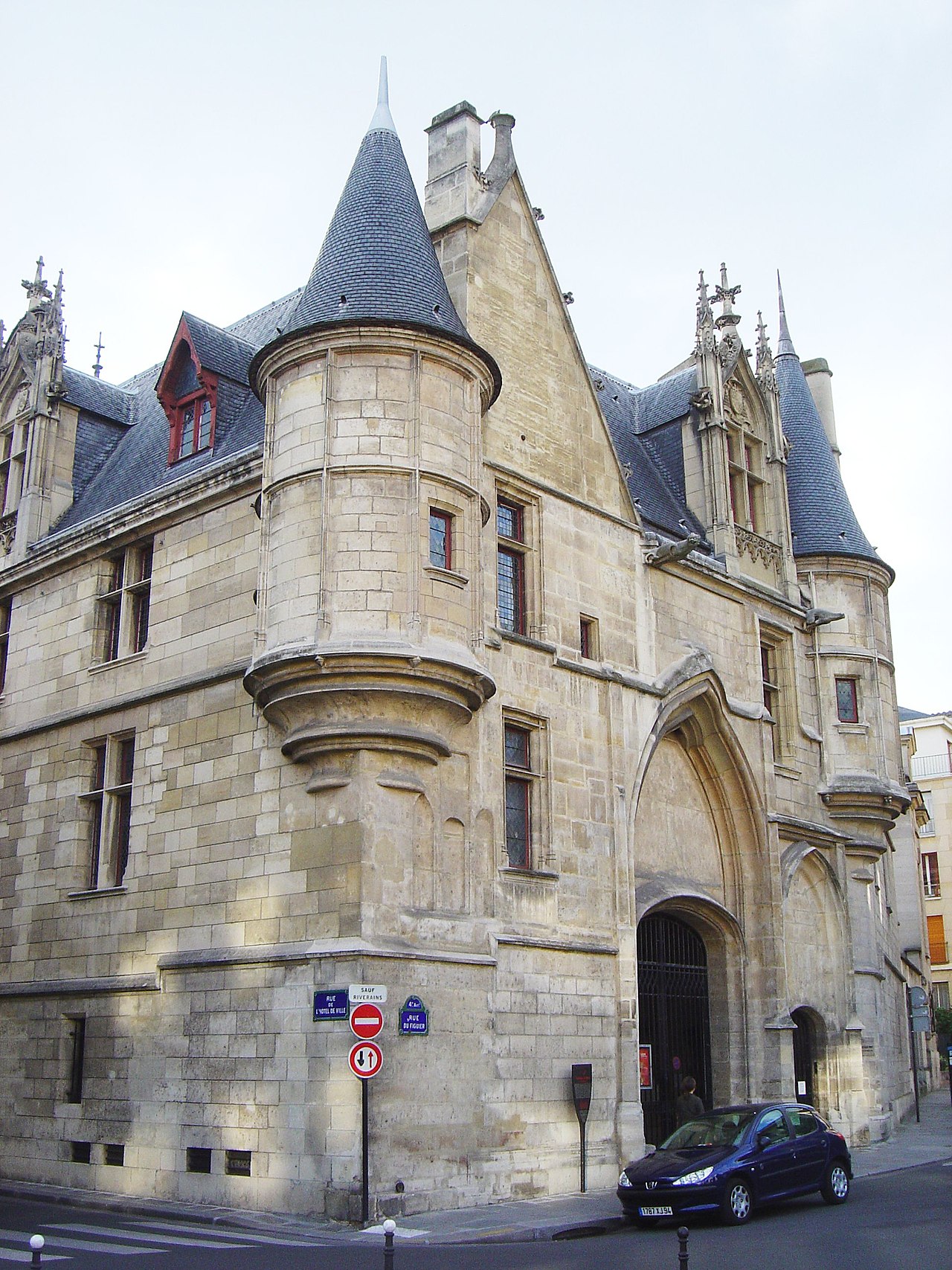

Marché aux Puces de Saint-Ouen
The largest antique market on earth
At the northern edge of Paris, in Saint-Ouen, the Puces stretches across fifteen separate markets and roughly 2,500 dealers — the largest concentration of antiques and vintage objects in the world. Paul Bert Serpette and Marché Biron are the most serious, with museum-grade furniture, Art Deco lighting, and fine silverware. Marché Dauphine holds books, vintage fashion, and curiosities without obvious category. Arrive on Saturday morning, negotiate without embarrassment, and leave through Paul Bert for lunch at Ma Cocotte — designed by Philippe Starck, open all day, worth the queue.
140 Rue des Rosiers, Saint-Ouen
Stay
Le Meurice
Paris's greatest palace hotel, since 1835
Le Meurice has faced the Tuileries Garden from Rue de Rivoli since 1835, hosting Dalí, Picasso, and Alfonso XIII of Spain across nearly two centuries. The Louis XVI salons — gilded, mirrored, lit by chandeliers — are the most beautiful hotel interiors in Paris. The restaurant, now holding two Michelin stars, is among the finest in the city. The rooms overlooking the Tuileries are the ones to request. Afternoon tea in the Winter Garden, under the glass and iron ceiling, is one of the great Paris rituals and does not require a room reservation.
228 Rue de Rivoli, Paris 1er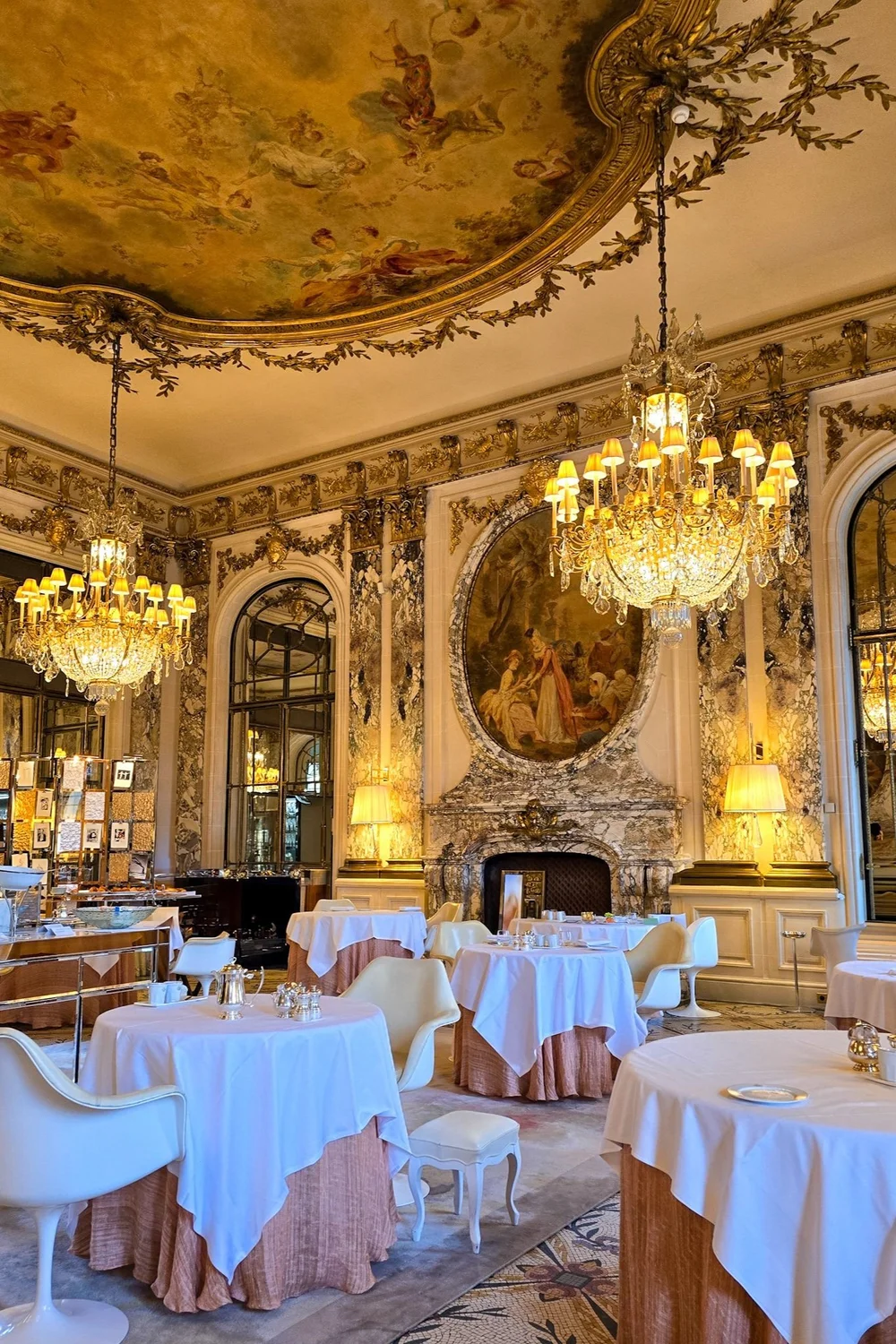
Château de Pray, Loire Valley
A 13th-century château, still receiving guests
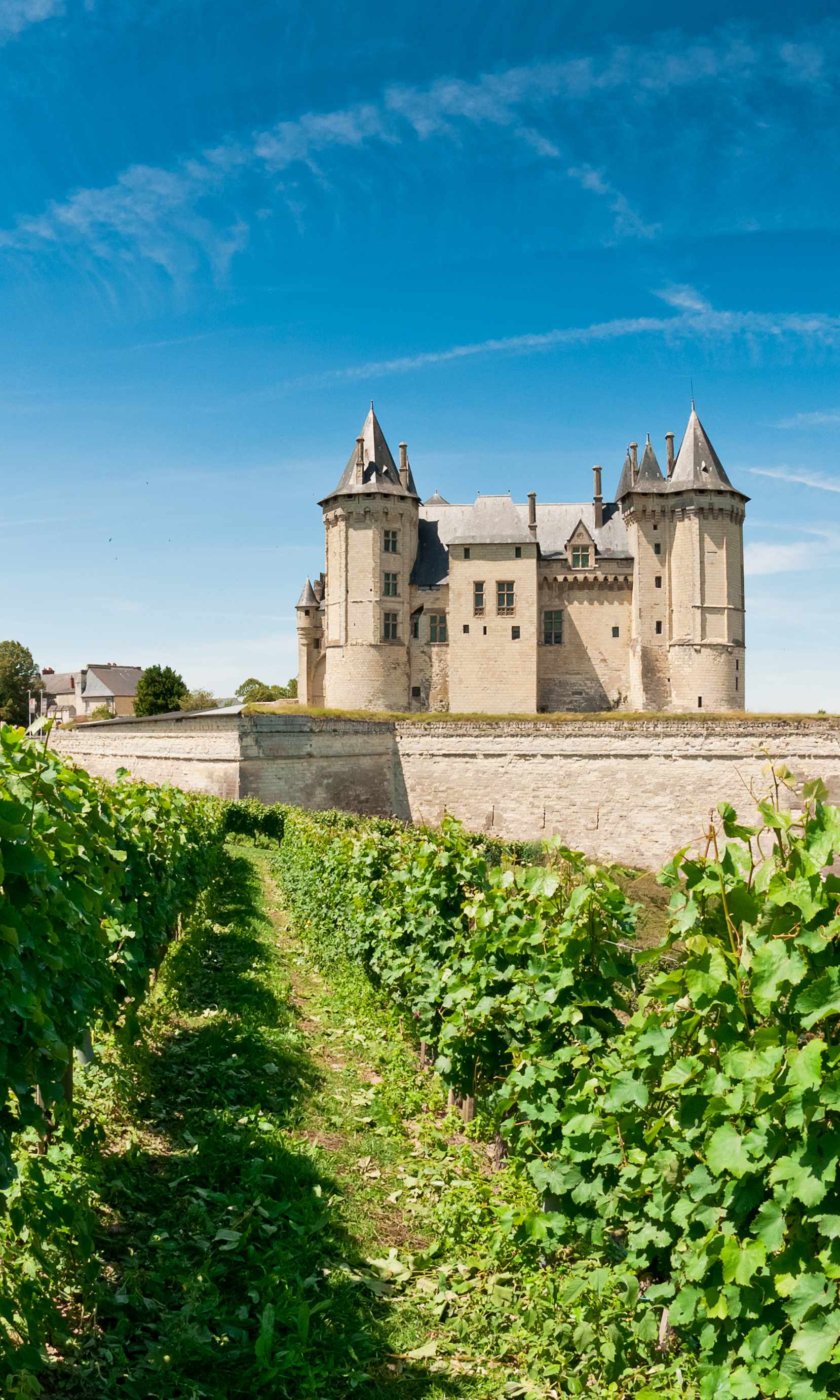
The Loire Valley — France's garden, a UNESCO World Heritage landscape of Renaissance châteaux, vineyards, and the slow unhurried river — is best understood from inside it rather than driving past it. Château de Pray, a turreted manor above Amboise dating to 1224, has been receiving guests for decades. From the terrace, the royal château of Amboise is visible across the hillside — where Leonardo da Vinci spent his final years and is buried in the chapel above the town. The wine list draws entirely from the Loire. Book a garden room. Spend two nights at minimum.
Route de Chargé, Amboise, Indre-et-LoireGuide Map
All the places in this guide are saved and pinned on the map to make your trip easier.
View Map